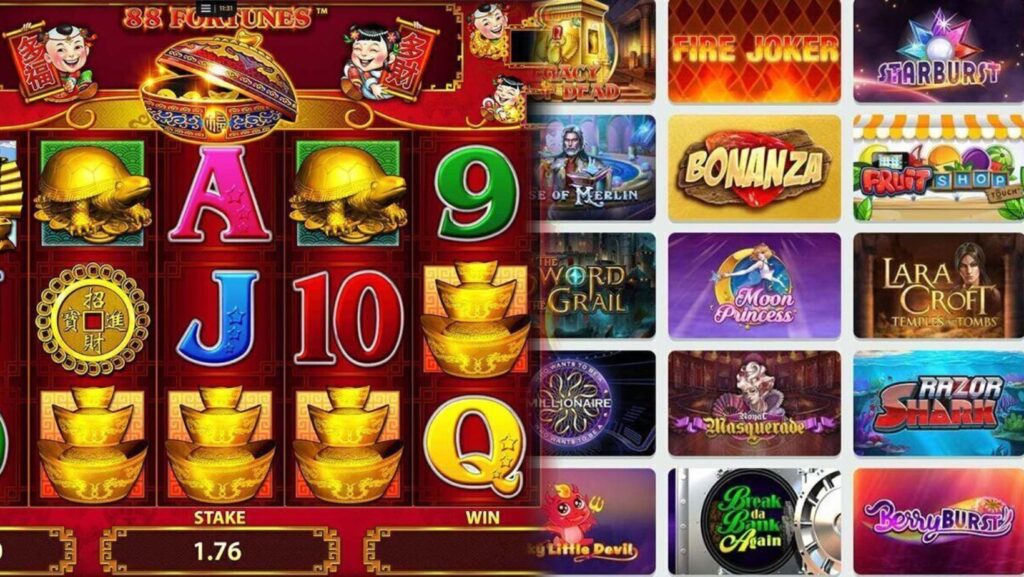

Few industries have undergone as dramatic a transformation over the past decade as online gambling. What was once confined to brick-and-mortar establishments in Las Vegas, Atlantic City, or Monaco has exploded into a sprawling digital ecosystem worth hundreds of billions of dollars globally. For everyday consumers, business investors, and tech enthusiasts alike, the evolution of the online casino space represents one of the most fascinating intersections of technology, finance, and entertainment in the modern era.
Understanding how this industry works — and how to navigate it wisely — requires more than a surface-level look at slot machines and card games. It demands a closer examination of the business models driving these platforms, the regulatory frameworks shaping their growth, and the financial implications for players and investors alike.
The Business Architecture Behind Online Casinos
Online casinos are not simply digital replicas of their physical counterparts. They are sophisticated software platforms built on complex technology stacks, leveraging everything from random number generators (RNGs) and real-time streaming to blockchain verification and AI-driven personalization engines. The business model is layered and multifaceted.
At the core, most online casinos operate on a house edge — a built-in mathematical advantage that ensures the platform generates revenue over time. However, the margins are often much thinner than people assume. Operators must account for licensing fees, software provider royalties, payment processing costs, customer acquisition expenses, and regulatory compliance overhead. Running a profitable online casino requires extraordinary operational efficiency and a deep understanding of player behavior.
Game developers, such as NetEnt, Microgaming, and Pragmatic Play, typically license their titles to multiple operators simultaneously. This B2B layer of the industry is worth examining for investors who prefer exposure to the sector without the volatility associated with direct gambling operations. Software providers receive consistent royalty revenue regardless of whether individual players win or lose, making them a more stable investment proposition in many cases.
Regulatory Complexity and Market Access
One of the biggest challenges — and opportunities — in the online casino space is the patchwork of regulatory environments across different jurisdictions. In the United States, for example, legal online casino gaming is currently permitted only in a handful of states, including New Jersey, Pennsylvania, Michigan, and Connecticut. This has created a segmented market where companies must build compliance infrastructure for each individual jurisdiction they wish to enter.
Internationally, operators often seek licenses from jurisdictions known for their established gambling regulatory frameworks, such as Malta (via the Malta Gaming Authority), Gibraltar, or the Isle of Man. These licenses provide a degree of credibility and consumer protection, though enforcement across borders remains a genuine challenge.
This regulatory complexity has given rise to alternative models that allow platforms to operate legally in markets where traditional online gambling may be restricted. Among the most innovative are sweepstakes casinos, which operate under a legal structure rooted in promotional sweepstakes law rather than traditional gambling statutes. These platforms offer casino-style games using virtual currencies that players can win through free methods, circumventing the need for a gambling license in most U.S. states. It’s a creative business model that has attracted significant venture capital attention and millions of users who want the casino experience without the legal ambiguity.
Player Psychology and Financial Decision-Making
From a personal finance perspective, engaging with any form of casino gambling — online or offline — demands a level of financial literacy that many platforms unfortunately do not encourage. The entertainment value of casino gaming is real, but so are the risks of financial loss.
Responsible gambling frameworks have become an increasingly important part of how reputable operators position themselves. Features like deposit limits, self-exclusion tools, reality checks, and loss limits are now standard offerings on licensed platforms. Regulators in many jurisdictions now require these features as a condition of licensure.
For players, the smartest approach is to treat casino spending as an entertainment budget rather than an income strategy. The math is unambiguous: the house wins over the long term. Return-to-player (RTP) percentages on slot machines typically range between 92% and 97%, which sounds favorable but represents a steady erosion of funds over time. Skilled games like blackjack and video poker offer much better odds when played with optimal strategy, but they still favor the house.
Understanding the concept of volatility — or variance — is equally important. High-volatility games offer infrequent but potentially large payouts. Low-volatility games pay out smaller amounts more frequently. Neither is inherently better, but matching your gaming style to your risk tolerance and bankroll size is critical to managing your experience responsibly.
Investment Opportunities in the Casino Tech Sector
For those interested in the financial side of the casino industry beyond playing, the sector presents several compelling investment angles. Publicly traded companies in the online gaming space include major operators like DraftKings, Flutter Entertainment, and Entain. These stocks offer exposure to the overall growth trajectory of digital gambling without requiring direct participation in the activity itself.
Additionally, the technology companies providing infrastructure to the gambling industry — payment processors, identity verification providers, cloud computing firms, and cybersecurity vendors — benefit from the industry’s growth without direct regulatory exposure. This “picks and shovels” approach to investing in the casino tech ecosystem is worth considering for diversified portfolios.
Emerging trends worth monitoring include the integration of cryptocurrency payments into gambling platforms, the development of virtual reality casino environments, and the expanding use of AI for fraud detection and player personalization. Each of these technological shifts creates new business opportunities and investment theses that go well beyond the traditional image of casino gaming.
The Convergence of Entertainment and Finance
What makes the online casino industry particularly interesting from the perspective of a business and finance publication is how thoroughly it has merged with mainstream entertainment culture. Streaming platforms, influencer marketing, sports sponsorships, and live dealer experiences have transformed online casinos from niche services into major entertainment brands competing for consumer attention alongside Netflix, Spotify, and social media platforms.
This convergence means that the casino industry is no longer just a gambling story — it is a technology story, a media story, and a financial story all at once. For entrepreneurs, investors, and informed consumers navigating this landscape, the ability to see through the flashing lights and understand the underlying business mechanics is what separates smart decision-making from costly mistakes.
Whether you’re assessing an investment opportunity, exploring responsible ways to enjoy digital gaming, or simply trying to understand one of the fastest-growing sectors in the digital economy, the online casino industry rewards careful, informed analysis. The stakes, both financial and cultural, have never been higher — and the players who succeed are those who come prepared.