
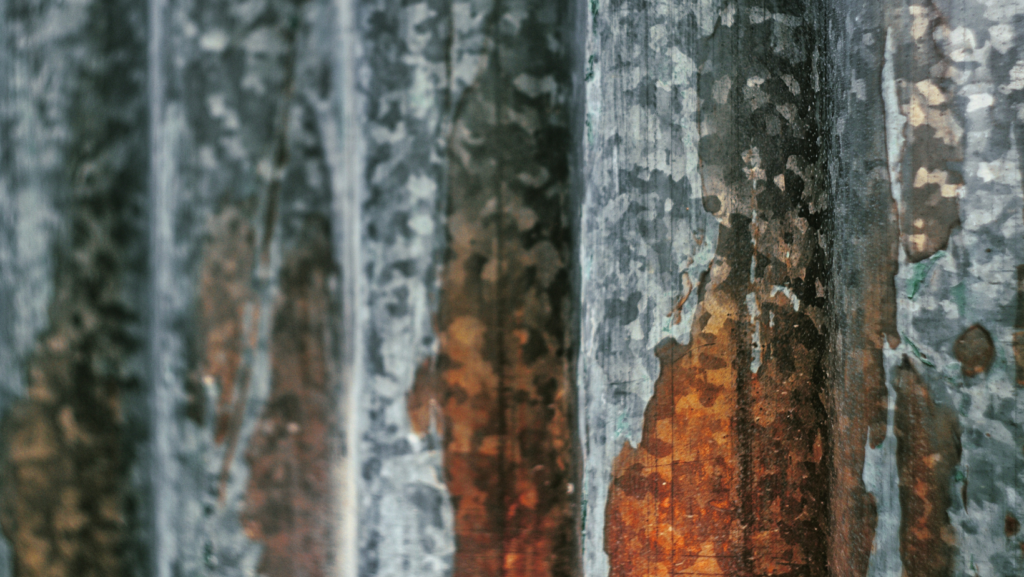
A roof rarely fails all at once. More often, the trouble starts at the metal details that hold the system together and direct water where it needs to go. Flashing at a vent, fasteners along an exposed edge, or a drip edge near the eaves can begin to corrode long before the main surface shows signs of wear. For homeowners looking into roof repair ogden, rust around these components is not just a cosmetic issue. It can be the first sign that moisture is starting to move where it should not.
Metal parts are often easy to overlook because they seem secondary to shingles or panels. In reality, they protect seams, secure transitions, and support drainage. Once rust takes hold, those parts can weaken, separate, and fail to shed water properly. That shift can lead to leaks, stained soffits, rotted wood, and repairs that extend beyond a single small section.
Rust Changes How Water Moves Off the Roof
Roof systems depend on controlled water movement. Flashing directs runoff away from joints and penetrations. Drip edges push water clear of the fascia. Fasteners keep materials tight, so wind and moisture cannot work underneath them. When corrosion affects any of those parts, the roof starts losing that control.
A rusted flashing section may no longer sit flat against the surface it is meant to protect. A corroded fastener can loosen and create a small opening around its shaft. A drip edge with advanced rust may allow water to curl back toward the structure rather than run off it. These are small appearance-related failures, but they change how water behaves during rain and snowmelt.
That is why rust problems often stay hidden at first. The surface may still look mostly intact from the ground, while water is already slipping behind metal edges or entering around weakened penetrations.
The Most Vulnerable Metal Components
Not every metal part deteriorates at the same rate. Some areas are more exposed to standing moisture, debris, and repeated expansion and contraction. Those are usually the first places where corrosion becomes a functional problem.
Flashing around chimneys, skylights, walls, and vent pipes is especially vulnerable because it sits at transitions where water naturally collects and moves. Fasteners are another common weak point. When their protective coating wears down, rust can spread and reduce holding strength. Valleys and edges also deserve attention because they handle concentrated runoff and often trap grit, leaves, and moisture.
In many cases, the problem is not that one piece of metal has turned orange. The real issue is that the rust signals long term exposure that has likely affected sealant, nearby underlayment, and adjoining materials as well.
Corrosion Can Lead to More Than a Leak
Once a metal component begins to fail, the damage often expands beyond the original area. Water entering at the rusted flashing may soak the wood below before it appears inside the house. Corroded fasteners can allow slight movement in surrounding materials, which puts stress on nearby seams and seal lines. Over time, that movement creates more entry points.
This is where repair decisions become important. A visible rust stain on exposed metal may seem minor, but if that metal is part of a critical transition, the section may need more than a surface treatment. A contractor may need to remove adjacent materials, inspect the decking underneath, and replace components that have already lost structural reliability.
In some cases, homeowners focus on the interior symptom, such as a ceiling mark or damp insulation, without realizing the moisture started at a rusted exterior detail months earlier.
Surface Rust and Structural Loss Are Not the Same
Not all rust means the same thing. Light surface corrosion can sometimes be cleaned, treated, and monitored if the metal still has its shape and strength. Deeper rust is different. When a metal part flakes, pits, bends easily, or develops holes, it is no longer dependable.
That distinction matters during an inspection. A proper evaluation should determine whether the issue is cosmetic wear or actual material loss. If the metal has thinned enough to flex, split, or pull away from its attachment point, patching around it usually will not last. The problem is no longer appearance. It is a failure of the component itself.
This is one reason repeated caulking jobs tend to disappoint. Sealant applied over deteriorated metal may briefly slow water, but it does not restore strength or correct the path water is taking.
Repair Work Should Focus on the Full Assembly
The best repair is not always the fastest one. When rust is present, the work should address the surrounding assembly, not just the visible stain. That means checking whether water has reached the decking, whether adjacent shingles or panels have loosened, and whether the damaged metal is part of a larger pattern.
For example, rust around a vent flashing may indicate trapped moisture from failed sealant. Still, it may also point to poor drainage, debris buildup, or an earlier repair that used incompatible materials. If only the top layer is patched, the same area may leak again during the next heavy weather cycle.
Homeowners searching for roof repair ogden services should look for inspections that explain where the corrosion started, how far the damage extends, and what materials need replacement to restore proper drainage and protection.
Early Action Keeps Repairs Contained
Rusted metal components rarely improve on their own. Once corrosion begins, each season adds more exposure. Moisture sits longer, coatings wear down further, and the chance of separation or leakage rises. Addressing the issue early often means replacing a localized section of flashing or a small group of fasteners. Waiting can turn that same repair into decking replacement, fascia work, or broader edge reconstruction.
Regular inspections help because they catch the problem before rust becomes a perforation. They also make it easier to distinguish between isolated corrosion and signs of wider system wear. That difference affects both cost and scope.
Conclusion
Rusted metal components can compromise exterior performance long before the main surface appears badly damaged. Flashing, fasteners, and edge metals do more than visually support the roof. They manage water, secure transitions, and protect vulnerable joints. When corrosion weakens those parts, the roof becomes more likely to leak, shift, and deteriorate in surrounding areas.
The key is to treat rust as a functional warning sign, not just a maintenance detail. A thorough inspection and a targeted repair can stop moisture from spreading and keep a localized issue from becoming a much larger project.