
As one of the most visible digital assets, XRP is available for trading on nearly every exchange and market you can think of. Today, it continues to spark interest among traders as one of the most resilient projects that faced many obstacles yet rose like a Phoenix from the ashes. After the conclusion of the SEC case and a $125 million settlement, XRP’s price hit a target above $3.30, and the AI model of Elon Musk predicts a bold rise toward $5.00, citing regulatory clarity and institutional adoption as major catalysts for future growth. As of now, Ripple’s XRP is priced at $1.87 USD, and traders are naturally wondering How high will this cryptocurrency go? If you’re on the same quest, this blog will explore xrp price prediction for 2026 and beyond, while also discussing the factors that impact its price. Ready? Let’s dive in.
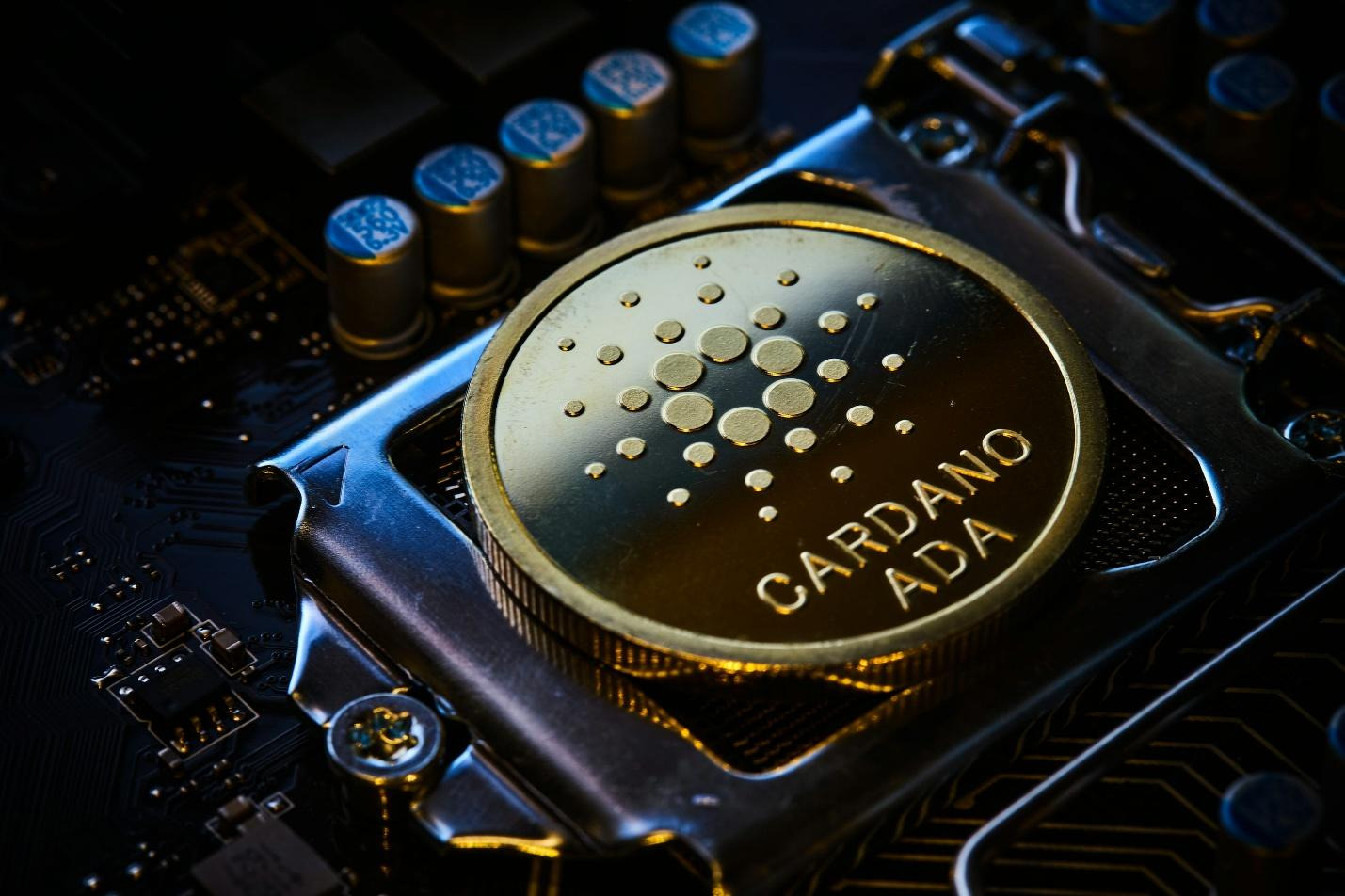
Hundreds of chains have come and gone throughout the years, promising to achieve the perfect balance, yet amid all the noise, Cardano has patiently and quietly built from first principles, taking blockchain seriously as systems engineering, with its methodical releases, peer-reviewed approach, and modular roadmap designed to endure. Given its outstanding approach, Cardano continues to spark interest in the crypto community, and investors are curious about ada price prediction in the future if adoption accelerates. According to some forecasts, ADA could reach $10 (or higher) if it becomes a core platform for digital identity, finance, and enterprise adoption, but this will happen only if economic activity and everyday usage grow significantly.
A Quick Look at The Origins of Cardano
People are increasingly familiar with Ethereum and Bitcoin, but many don’t realize that those blockchains have limitations: they can be expensive to use, slow, and difficult to upgrade. Enter Cardano, a project founded in 2015 by Charles Hoskinson to address these exact issues. Rather than rushing, the team took its time to research before launching. The result? A blockchain that’s more sustainable, easier to update, and designed to last.
When thinking about the real-world connection, consider the following scenario. Imagine if the internet banking systems you rely on had to shut down for many days only to get an upgrade.
Cardano prevents that because its two-layer design (one for smart contracts and one for money movement) means upgrades can occur without crashing the system, which is crucial for hospitals and governments alike that use blockchain for secure record-keeping.
Ouroboros: A consensus mechanism saving not just money, but also energy
The Ouroboros protocol is at the heart of the Cardano blockchain, representing a unique proof-of-stake system designed with measures to safeguard the network and with lower energy needs than most similar systems. Now, what’s worth noting is that this isn’t like any other blockchain protocol with generic security. It excels in its resilience against cyberattacks, backed by mathematical proofs that draw on combinatorics, cryptography, and game theory. Think of the Cardano blockchain as the very foundation of a building – it’s reliable and robust, and everything that’s going to be built on top of it will also be dependable. What is the purpose of this protocol? Well, it’s meant to ensure the security and scalability of Cardano’s blockchain network while keeping energy consumption to a minimum.
In fact, Cardano’s Ouroboros is up to 4 million times more energy-efficient than Bitcoin, which is quite an impressive feat in today’s world, which has become more environmentally conscious. In the real world, Cardano is ideal for towns, schools, or companies that aim to reduce their carbon footprint. For instance, a nonprofit utilizing blockchain to monitor donations will no longer feel guilty about environmental damage, because Cardano is all about sustainability.
Blockchain with a Conscience: Cardano’s Sustainability and Scientific Rigor
Cardano’s technology isn’t built on hype; instead, every major update is peer-reviewed and tested before release, reducing the risk of bugs and hacks that have compromised other cryptocurrency platforms in the past. Since Cardano consumes far less energy, it attracts ESG-minded organizations that want to maintain social, environmental, and governance standards.
In the real world, these Cardano features are very valuable. For instance, a university issuing digital diplomas on the blockchain can trust that the system is both eco-friendly and secure, while a nonprofit building water wells can show donors all transparent, verified transactions without wasting electricity.
Cardano’s Five Eras: A Journey towards Functionality
The growth of Cardano is organized into five eras, with each of them building on the last as follows:
- Byron: In this first era, Cardano shipped the main version of its mainnet, and it was mostly about building a sound foundation for its network. Hence, it delivered a desktop ADA wallet, Daedalus, and Yoroi, a light wallet for daily use and quick transactions. This was the era when Cardano also introduced its Ouroboros proof-of-stake consensus protocol, which defines how nodes reach consensus. Beyond building a robust technical foundation, Cardano developed a community with ADA listed on more than 30 exchanges.
- Shelley: This era was all about growth and the network’s development, but the transition was challenging as it had to be carried out without causing disruptions to the Cardano mainnet’s services. The primary purpose of the Shelley era was to make Cardano a truly decentralized network, which was achieved by enabling more community members to run Cardano nodes, thereby making it more robust, decentralized, and secure.
- Goguen: The Goguen Era was another milestone, where smart contracts were added to Cardano, allowing enterprises to undergo their dApp development services projects on the blockchain. After the smart contract’s launch, more than 100 smart contracts were deployed on Cardano within only 24 hours of the hard fork. Basho: This era is focused on boosting the scalability and interoperability of the network, introducing sidechains to Cardano, which are designed to be interoperable with the chain and use the sharding mechanism to boost the network’s capacity. The main purpose of this era? To enhance the resilience, performance, and flexibility of the network.
- Voltaire: This is the final era of the Cardano roadmap, which focuses on decentralized governance, aiming to address voting and treasury systems. Once Voltaire is in motion, the community built around Cardano will become an active entity in decision-making and steering Cardano. The network will have a blockchain constitution built to fairly and transparently govern a decentralized network of members (the first of its kind).
The Bottom Line
Cardano isn’t trying to win the race by being the first or the flashiest project in the crypto space. Instead, its mission is to build a durable foundation that respects people’s energy, trust, and data. Whether offering access to rural entrepreneurs to finance, supporting students in demonstrating their educational credentials, or allowing digital artists to sell their work internationally, Cardano is changing the world’s view of blockchain and the utilization of this technology, which makes it a project worth keeping a close eye on.