
Imagine trying to find the perfect shade of gray for your next project, exciting, right? Welcome to the world of grayoffsetback. In this text, we’ll explore this intriguing concept that might not be on everyone’s radar but holds immense power in design and architecture. From boosting aesthetics to fortifying functionality, let’s dive deep into what grayoffsetback really means and how it can transform our creative endeavors.
Grayoffsetback

Grayoffsetback is somewhat of an unsung hero in the design world. While it might sound like jargon, it refers to the subtle manipulation of gray tones in a design layout. Essentially, it’s about adjusting hues and values of gray to create depth and contrast. This technique allows designers to balance visual weight without overwhelming the viewer with bright or harsh colors. By embracing grayoffsetback, we’re using shades of gray to craft environments that feel cohesive and thoughtful.
The Importance of Grayoffsetback in Design
Why should we pay attention to grayoffsetback? Well, gray can be more than just a neutral backdrop: it can set the entire tone of a project. Grayoffsetback helps us create mood, evoke emotions, and even guide the viewer’s eye through our designs. This approach is crucial, especially when considering that different shades of gray can evoke feelings ranging from calm serenity to energetic sophistication. In branding, for example, the right gray can symbolize professionalism and reliability, giving our designs authority and trust.
Besides, it helps in harmonizing different elements within a project, whether it’s integrating furniture within an interior space or aligning graphic components on a digital interface. When we master grayoffsetback, we enhance our ability to communicate visually.
How to Implement Grayoffsetback in Your Projects

Implementing grayoffsetback isn’t as daunting as it may initially seem. First, we need to identify the primary colors in our palette. Once we have those, it’s simply about determining the correct gray tones that will either complement or contrast with these colors.
After selection, testing becomes essential. By applying these gray tones in different contexts, whether through mock-ups or prototypes, we can see how they work in harmony or clash with other design elements. If the colors appear too flat, layering them or incorporating textures can provide the necessary depth to embrace our vision. Also, using tools like color palettes or design software can assist us in fine-tuning these shades of gray.
Common Challenges and Solutions
Like any design element, grayoffsetback comes with its own set of challenges. One common issue we face is the tendency to underestimate the impact of gray tones. Sometimes, we might lean towards brighter colors, thinking they’ll attract more attention. But, this can lead to visual clutter. The trick here is to remind ourselves that subtlety does more than shout, it whispers sophistication.
Another challenge is achieving the right balance. If we overuse gray or choose the wrong shades, the result can feel dull. In this case, we need to remember that contrast is our friend. Pairing grays with vibrant colors can provide the energy our design needs, creating a dynamic visual experience while maintaining the necessary elegance.
Real-World Applications of Grayoffsetback
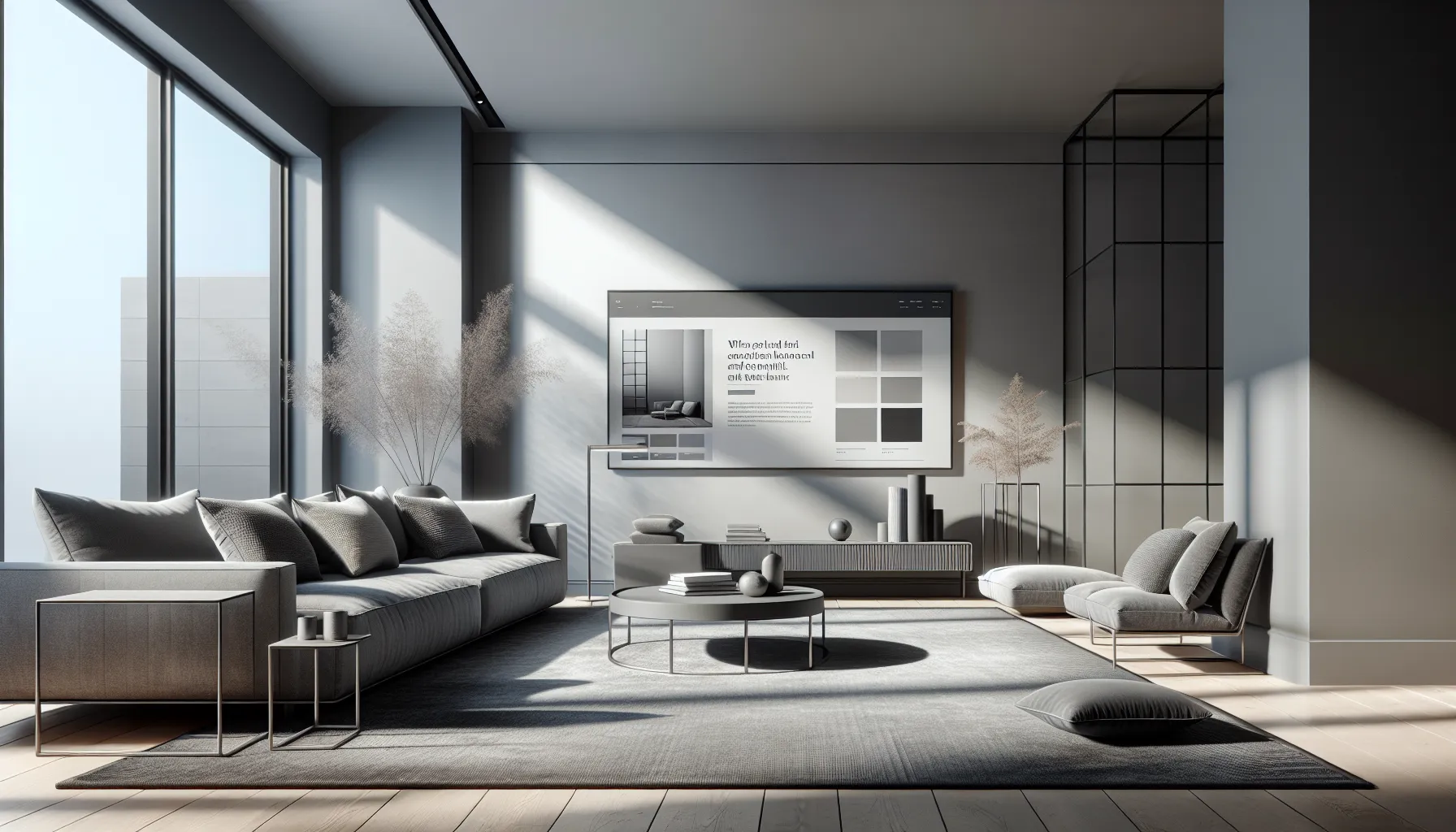
We can see grayoffsetback across various fields, from interior design to digital media. For instance, in modern interior design, gray tones have become a staple for creating serene living spaces. They can evoke calmness while maintaining a diversity of textures that keep the space interesting.
In the realm of digital design, grayoffsetback functions similarly. Websites often use variations of gray to establish hierarchy, guiding users through content in an intuitive way. Grays can help create clean interfaces that prioritize usability while allowing other colors to pop where necessary.
Future Trends in Grayoffsetback
As we move forward, the use of grayoffsetback is likely to evolve. With advancements in digital design tools and a continuously growing understanding of color psychology, we might see an increasing preference for this nuanced approach. We can experiment more freely, finding innovative ways to apply gray tones to not only enhance aesthetics but also improve functionality.