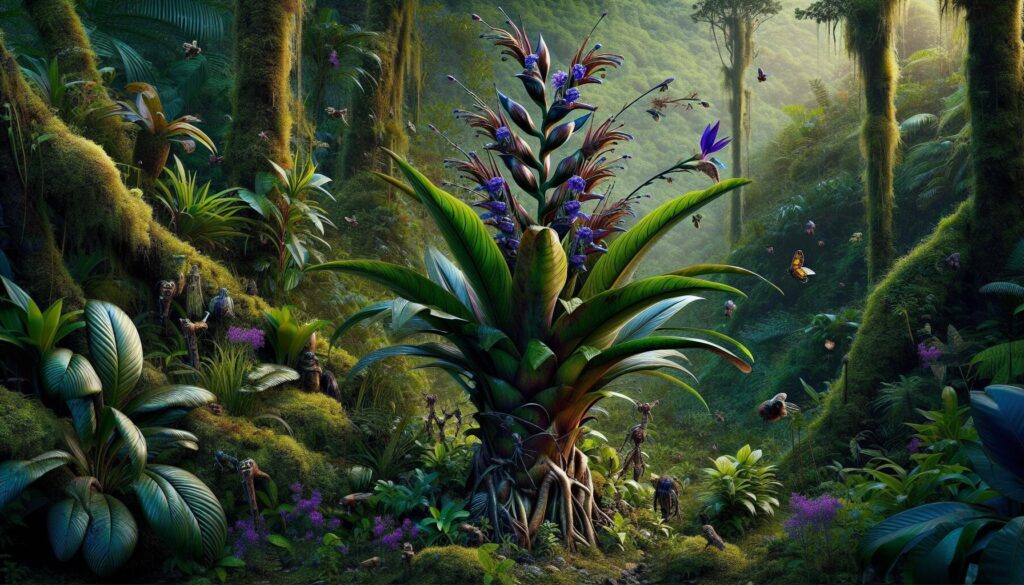

Have you ever stumbled upon a word so mesmerizing that you just had to know more about it? Welcome to the world of “Asheshshyaam,” a term that evokes curiosity and wonder like a cat in a room full of laser pointers. It captures aspects of history, culture, and modernity in a way that’s simply irresistible. In this text, we will unwrap the layers of Asheshshyaam, exploring its significance and the impact it continues to have today. Buckle up: it’s going to be a fascinating ride.
Asheshshyaam

To truly appreciate Asheshshyaam, we first need to grasp its core essence. At its foundation, this term signifies an infinite or boundless quality. Imagine staring out into the vastness of the cosmos or the endless waves of the ocean. These moments encapsulate the feeling Asheshshyaam evokes, an infinite expanse of possibilities. This concept resonates deeply within various philosophical and spiritual contexts, where the idea of infinity is pivotal.
Also, as we dive deeper, Asheshshyaam can also pertain to completeness without any limitations. In our increasingly complex world, the idea of something that is wholly sufficient can be incredibly reassuring. This inherent concept invites us to explore everything from nature to the very fabric of our existence.
Historical Significance of Asheshshyaam
The historical context of Asheshshyaam adds another fascinating layer to our understanding. Historically, this term resonates within several ancient texts, often representing the unbounded nature of the universe. If we take a step back, we can see how civilizations have viewed infinity and completeness.
In Hindu philosophy, for instance, Asheshshyaam derives insights from ancient scriptures that seek to explain the universe beyond mere physicality. The ancient sages pondered life’s infinite aspects, offering perspectives on spirituality that still resonate with our current beliefs. It acts as a reminder of our connections with the divine and the universe, offering insights that have withstood the test of time.
Cultural Interpretations of Asheshshyaam
Across cultures, interpretations of Asheshshyaam differ yet convey similar themes. In Eastern philosophies, it’s often associated with endless cycles, like reincarnation or the perpetual rhythm of nature. This cultural lens emphasizes our relationship with the universe as one that is deeply intertwined and ever-flowing.
In contrast, Western interpretations may lean toward existential inquiries. In literature and art, Asheshshyaam appears as a theme that questions humanity’s place within the infinite fabric of the cosmos. How do we as individuals fit into this vastness? What does it mean to transcend the limitations of our existence? These cultural reflections invite us to explore our roles in the ever-expanding universe.
Modern Relevance of Asheshshyaam
In our modern context, Asheshshyaam holds an unmistakable relevance. As we navigate through the digital age, where information and possibilities seem boundless, recognizing the essence of Asheshshyaam can be a guiding principle. In a world increasingly defined by fast-paced change, embracing the idea of infinity can foster innovation and creativity.
Also, the impact of Asheshshyaam extends to personal development. Many self-help movements emphasize realizing one’s potential as an unbounded journey. This perspective aligns perfectly with the concept of Asheshshyaam, it encourages us to break free from restrictions and strive for our true selves.
Asheshshyaam in Literature and Arts

The narrative of Asheshshyaam also weaves through the tapestry of literature and arts. Poets and authors have often drawn upon this concept to convey the ineffable complexities of human emotions and experiences. The classic works of great writers reflect an engagement with themes of infinity, whether it’s in the endless love portrayed in literature or the cyclical elements in visual arts.
Artists have been inspired by Asheshshyaam to explore the interplay of light and shadow, the depths of human emotion, and the expansive nature of thought. This interdisciplinary connection enriches our understanding and shows how Asheshshyaam continues to inspire creativity today.